.png)
An Introduction to Reiki Training and Certification
Reiki is a gentle, non-invasive healing technique that has gained popularity worldwide for its ability to promote relaxation, reduce stress, and support overall well-being. If you are curious about learning Reiki or considering becoming a certified practitioner, understanding the training process and certification requirements is essential. This guide will walk you through the basics of Reiki training, what to expect, and how to become certified.
What Is Reiki Training?
Reiki training is a structured learning process where students are introduced to the principles, techniques, and philosophy of Reiki healing. The training typically involves both theoretical knowledge and practical experience. During the course, students learn how to channel energy through their hands to promote healing in themselves and others.
Reiki training is usually divided into different levels or degrees:
Level 1 (First Degree): Focuses on self-healing and learning basic hand positions for healing others.
Level 2 (Second Degree): Introduces symbols and techniques for distance healing and enhancing energy flow.
Level 3 (Master Level): Prepares students to teach Reiki and attune others.
Each level builds upon the previous one, deepening the student’s understanding and ability to work with Reiki energy.

During Reiki training, students also learn about the history of Reiki, its ethical guidelines, and how to create a healing environment. Many courses include meditation and mindfulness practices to help students connect with their inner energy.
Understanding the Importance of Reiki Training
Proper Reiki training is crucial for several reasons:
Safety: Learning correct hand placements and techniques ensures safe and effective healing.
Confidence: Training builds confidence in your ability to channel energy and perform Reiki sessions.
Ethics: Understanding the ethical responsibilities of a Reiki practitioner protects both the healer and the client.
Certification: Completing training is often required to receive certification, which validates your skills and knowledge.
Many people search for "reiki classes near me" to find local opportunities to learn Reiki in a supportive environment. Whether you prefer in-person or online classes, choosing a reputable training program is key to your success.
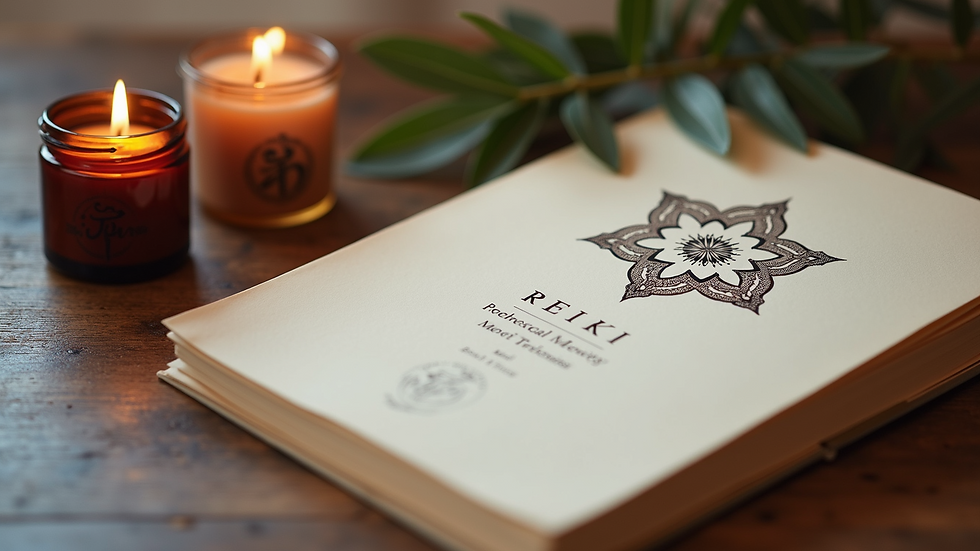
When selecting a Reiki training course, consider the instructor’s experience, course content, and student reviews. Some programs offer additional support such as mentorship or community groups, which can be valuable as you develop your practice.
How do you become certified in Reiki?
Certification in Reiki is a formal recognition that you have completed the necessary training and are qualified to practice Reiki healing. The certification process varies depending on the Reiki tradition and the training provider, but generally includes the following steps:
Complete Required Training: Attend and successfully complete the Reiki training levels offered by a certified Reiki Master.
Receive Attunements: Attunements are energetic initiations performed by a Reiki Master that open your energy channels to Reiki energy.
Practice Reiki: Gain practical experience by performing Reiki on yourself and others.
Submit Documentation: Some certification programs require you to submit proof of training hours, practice logs, or case studies.
Receive Certification: Upon meeting all requirements, you will receive a certificate that confirms your Reiki level and credentials.
Certification is important if you plan to offer Reiki professionally or want to deepen your understanding of the practice. It also helps build trust with clients and other healthcare practitioners.

Keep in mind that Reiki certification is not regulated by government agencies, so it is essential to choose a credible Reiki Master or organization for your training and certification.
What to Expect in Reiki Classes
Reiki classes are designed to be interactive and experiential. Here’s what you can typically expect:
Introduction to Reiki History and Philosophy: Learn about Mikao Usui, the founder of Reiki, and the spiritual principles behind the practice.
Hands-on Practice: Practice hand placements on yourself and classmates to feel the flow of energy.
Meditation and Breathing Exercises: Develop mindfulness and focus to enhance your Reiki connection.
Attunements: Receive energetic initiations that open your ability to channel Reiki energy.
Group Discussions: Share experiences and ask questions to deepen your understanding.
Course Materials: Receive manuals, charts, and guides to support your learning.
Classes can range from a single day to several weekends, depending on the level and depth of training. Many students find the group setting supportive and inspiring.
If you are searching for reiki classes near me, look for courses that offer a balance of theory and practice, experienced instructors, and positive student feedback.
Benefits of Reiki Training and Certification
Training and certification in Reiki offer numerous benefits beyond learning a healing technique:
Personal Growth: Reiki training encourages self-awareness, emotional healing, and spiritual development.
Professional Opportunities: Certified Reiki practitioners can offer healing sessions, workshops, and even teach Reiki.
Stress Reduction: Learning Reiki techniques helps manage stress and promotes relaxation in daily life.
Community Connection: Joining Reiki classes connects you with like-minded individuals and supportive networks.
Holistic Health: Reiki complements other health practices and can be integrated into wellness routines.
Whether you want to use Reiki for personal healing or as a professional service, training and certification provide a solid foundation for your journey.
Embarking on Reiki training is a rewarding experience that opens the door to healing and self-discovery. By choosing the right course and committing to your practice, you can develop skills that benefit both yourself and others. Explore your options, find reputable training, and take the first step toward becoming a certified Reiki practitioner today.


Comments